

Understanding Spinal Cord Injury and Its Impact in India
Spinal cord injury (SCI) is a serious medical condition that can significantly affect a person’s ability to walk and carry out daily activities. In India, the causes of spinal cord injuries are varied and often linked to road traffic accidents, falls from heights (such as trees or construction sites), and workplace incidents, especially in agricultural and industrial settings. Additionally, some cases occur due to infections like tuberculosis of the spine, which is more common in certain regions of the country. The impact of SCI goes beyond physical limitations; it affects people emotionally, financially, and socially. For many Indians, access to quality rehabilitation services may be limited by geographical location, financial constraints, or lack of awareness about available treatments. Mobility challenges after SCI can make it difficult for individuals to participate fully in family life, education, or work, particularly in rural areas where infrastructure is not always accessible. Understanding these unique aspects of SCI in the Indian context is crucial for finding effective ways to improve walking ability and help people regain independence in their everyday lives.
2. Conventional and Home-based Physiotherapy Approaches
For many people in India recovering from a spinal cord injury, physiotherapy is a cornerstone for regaining walking ability. Thankfully, a mix of conventional clinical therapies and home-based exercises can make rehabilitation accessible, even in rural areas or within joint family setups. Below, we explore practical strategies suitable for Indian households and communities.
Conventional Physiotherapy in Clinical Settings
Visiting a physiotherapist at a hospital or clinic is ideal for personalized assessments and advanced treatments. In cities like Delhi, Mumbai, or Bengaluru, modern rehab centers offer:
- Gait training with parallel bars: Safe environment to practice walking movements under supervision.
- Electrical stimulation therapy: Helps activate weak leg muscles.
- Strengthening machines: For building core and leg strength safely.
- Balance and coordination exercises: To reduce falls and improve confidence.
Home-based Physiotherapy for Indian Families
In smaller towns or villages where travel to clinics is difficult, home physiotherapy becomes vital. Indian joint families can provide valuable support, turning rehabilitation into a shared effort. Here are some common exercises that can be practiced safely at home with minimal equipment:
| Exercise Name | Description | Family Support Tips |
|---|---|---|
| Ankle Pumps | Flex and extend ankles while sitting or lying down to improve blood flow. | Elderly family members can join in for encouragement. |
| Knee Extensions | Sit on a chair, slowly straighten one knee at a time and hold. | Someone can help count repetitions or offer gentle support if needed. |
| Sit-to-Stand Practice | Practice rising from a chair using hands on armrests for support. | A sturdy chair and attentive family member nearby enhances safety. |
| Towel Walking | Place a towel under the foot and slide it back and forth to mimic walking motion while seated. | Younger relatives can demonstrate or assist as needed. |
Adaptations for Rural Setups
Many Indian homes may not have special equipment, but everyday objects can be used creatively:
- Bamboo sticks or wooden rods: Can substitute for parallel bars during gait training.
- Cot beds (charpais): Useful for bed-based exercises or early-stage mobility work.
- Dhotis or sarees rolled up: Used as resistance bands for stretching exercises.
Cultural Sensitivity Matters
Encouragement from elders, group exercise routines, and daily prayer times can be woven into therapy schedules. This approach respects both physical needs and the emotional bonds unique to Indian homes. Consistent practice—whether led by a visiting physiotherapist or guided by family—is key to progress after spinal cord injury.
3. Assistive Devices and Local Innovations
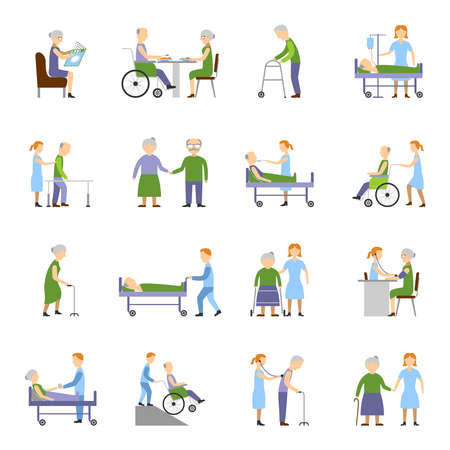
Regaining walking ability after a spinal cord injury can be challenging, but the use of assistive devices offers valuable support for many people in India. The Indian market provides a variety of walkers, calipers, and wheelchairs tailored to different needs and budgets. Walkers, available in both basic and foldable designs, help individuals with balance while moving around their homes or navigating crowded spaces. Calipers, which are supportive braces fitted to the legs, are often recommended by physiotherapists in India to give stability and encourage muscle activity during walking practice.
Wheelchairs are another crucial mobility aid, and Indian manufacturers offer both manual and battery-operated models. Many organizations and NGOs work to make these devices more affordable, even providing second-hand or subsidized options for those in rural areas. Accessibility is improving steadily, with local shops in cities like Mumbai, Delhi, and Chennai stocking a range of assistive tools suitable for Indian roads and homes.
A unique aspect of rehabilitation in India is the spirit of Jugaad, a Hindi term referring to ingenious DIY solutions. People often adapt everyday objects—such as using bamboo sticks as makeshift canes or modifying wooden stools to serve as walking aids—when commercial products are out of reach. Local carpenters sometimes customize mobility aids at low cost based on individual requirements. This resourcefulness ensures that even those with limited means can find ways to improve their mobility after a spinal cord injury.
Whether through standard devices or creative local innovations, individuals across India demonstrate resilience and adaptability in their journey toward better walking ability. The availability of community support groups and online forums also helps families discover new ideas and share experiences about what works best within the Indian context.
4. Role of Diet, Ayurveda, and Yoga
In India, traditional practices like Ayurveda and yoga are deeply rooted in daily life and can play a significant role in the rehabilitation process after a spinal cord injury. Along with medical treatment, exploring these time-tested Indian methods may help support your journey towards improved walking ability.
Ayurvedic Approaches for Healing
Ayurveda, Indias ancient system of medicine, focuses on balancing the body’s energies (doshas) to promote healing. For spinal cord injury recovery, Ayurvedic practitioners often recommend herbal formulations, oil massages (Abhyanga), and Panchakarma detox therapies to reduce inflammation and improve nerve function. Always consult an experienced Ayurvedic doctor for personalised advice.
Common Ayurvedic Herbs & Therapies
| Herb/Therapy | Benefits |
|---|---|
| Ashwagandha | Supports nerve regeneration, reduces stress |
| Bala (Sida cordifolia) | Strengthens muscles, relieves pain |
| Mahanarayan Oil Massage | Improves circulation, eases stiffness |
| Panchakarma Detox | Cleanses toxins, rejuvenates body systems |
Nutritional Support: Indian Dietary Recommendations
A balanced diet is crucial for recovery. Indian cuisine offers a rich variety of foods that can help nourish the body and aid in rehabilitation. Focus on meals that provide adequate protein for muscle repair, healthy fats for nerve health, and essential vitamins and minerals.
Sample Indian Foods for Recovery
| Food Item | Nutritional Value |
|---|---|
| Moong Dal (Green Gram) | High in protein and easy to digest |
| Spinach (Palak) | Rich in iron and antioxidants |
| Cows Ghee | Healthy fats supporting nerve health |
| Nuts & Seeds (Almonds, Flaxseeds) | Omega-3 fatty acids for brain and nerve repair |
| Fresh Fruits (Papaya, Guava) | Vitamins C & A to boost immunity and healing |
The Power of Yoga in Rehabilitation
Yoga is widely practised across India as a gentle yet effective way to improve flexibility, strength, and mental well-being. Specific asanas (postures), pranayama (breathing exercises), and meditation can be adapted for people with spinal cord injuries to support physical and emotional healing.
Beginner-Friendly Yoga Practices After Spinal Cord Injury:
- Bhramari Pranayama: Calms the mind and reduces anxiety.
- Tadasana (Mountain Pose): Enhances balance when done with support.
- Sukhasana (Easy Pose): Encourages proper posture and relaxation.
- Anulom Vilom: Improves respiratory health and focus.
- Meditation: Helps manage pain and boost motivation during recovery.
If possible, seek guidance from a certified yoga therapist familiar with spinal cord injury rehabilitation. Integrating these traditional Indian approaches with modern medical care may offer holistic support on your path towards regaining walking ability.
5. Community Support and Rehabilitation Centres
Recovering walking ability after a spinal cord injury can be challenging, but strong community support plays a crucial role in this journey. In India, the involvement of family members, friends, and local NGOs can provide much-needed encouragement and practical assistance for people going through rehabilitation. When loved ones actively participate in recovery routines, patients often feel more motivated and confident to continue their therapies.
The Power of Family and Friends
Indian culture is known for its close-knit families and strong community bonds. Family members often become primary caregivers, helping with daily activities and emotional support. Friends also play an essential part by providing company, sharing positive stories, and assisting during hospital visits or therapy sessions. Such collective efforts can make the rehabilitation process less overwhelming for the patient.
Role of NGOs and Community Groups
Many Indian NGOs such as The Spinal Foundation and Amar Jyoti Charitable Trust offer rehabilitation services, peer counselling, and awareness programmes tailored to the needs of people with spinal cord injuries. These organisations bridge gaps in resources, arrange physiotherapy camps, and connect patients with vocational training opportunities. Their involvement ensures that even those from rural or economically challenged backgrounds have access to quality care.
Notable Indian Rehabilitation Centres
Several renowned centres in India specialise in neuro-rehabilitation and spinal injury care. Institutions like the Indian Spinal Injuries Centre (ISIC) in Delhi, Christian Medical College (CMC) in Vellore, and NIMHANS in Bengaluru offer comprehensive treatment plans including physiotherapy, occupational therapy, assistive device training, and psychological counselling. These centres are equipped with modern technology and experienced professionals who understand both medical needs and cultural sensitivities.
Community Resources at Your Fingertips
Support groups, online forums like ‘Spinal Cord Injury India’, and local WhatsApp communities allow patients to share experiences, ask questions, and find encouragement from peers facing similar challenges. Many city hospitals now partner with NGOs to organise group therapy sessions and adaptive sports events, which help build confidence and foster a sense of belonging among participants.
By tapping into these community supports and rehabilitation centres across India, individuals with spinal cord injuries can gain access to holistic care that nurtures both body and mind. With collective effort from families, friends, NGOs, and dedicated medical professionals, the path to improving walking ability becomes not just a personal journey but a shared mission filled with hope.
6. Coping with Emotional and Mental Wellbeing
Recovering walking ability after a spinal cord injury is not just about physical exercises or therapy; it deeply involves emotional and mental strength. In India, family bonds, community support, and faith often play a big role in how individuals cope with such life changes. Acknowledging feelings of frustration, sadness, or worry is important, but so is finding ways to stay motivated and hopeful.
Embracing Support from Family and Community
Indian families usually stand together during tough times. Sharing your feelings with loved ones can help lighten emotional burdens. Family members can encourage you, help with daily needs, and join you for walks or physiotherapy sessions. Communities and local groups often arrange spiritual gatherings, yoga sessions, or group prayers that provide comfort and a sense of belonging.
The Power of Belief and Faith
Many Indians find strength in their religious or spiritual beliefs during recovery. Prayer, meditation, or listening to devotional songs can offer peace and hope. Visiting temples, mosques, churches, or gurdwaras—even virtually—can be uplifting. These practices remind us that we are not alone on this journey.
Staying Motivated Each Day
Setting small goals helps in tracking progress and celebrating every achievement. Motivation can come from within or through encouragement from friends and family. Remember Indian heroes who overcame challenges—like Sudha Chandran, who danced again after an accident. Their stories inspire us to keep moving forward despite difficulties.
Cultural Approaches to Healing
Traditional Indian practices like yoga and pranayama (breathing exercises) are known to support both mental health and physical rehabilitation. Joining group activities at the local park or participating in online sessions can boost confidence and reduce stress.
Seeking Professional Guidance
Sometimes, speaking with a counsellor or psychologist is helpful. Many hospitals in India now have mental health professionals familiar with cultural values who can guide patients through emotional ups and downs.
Remember: Healing is a journey involving both body and mind. Drawing on Indias rich heritage of togetherness, spirituality, and resilience can provide unique strength as you work towards walking again.
7. Government Schemes and Financial Assistance
For individuals recovering from spinal cord injuries in India, understanding and accessing government schemes and financial assistance can play a crucial role in rehabilitation and regaining mobility. The Indian government offers several initiatives tailored for persons with disabilities (PwDs), including those with spinal cord injuries. The Unique Disability ID (UDID) Card is the first step, as it helps to officially recognise disability status and enables access to various benefits. One of the major schemes is the Assistance to Disabled Persons for Purchase/Fitting of Aids and Appliances (ADIP), which provides financial support for mobility aids like wheelchairs, calipers, or walkers. These aids can significantly contribute to improving walking ability and independence.
The Deendayal Disabled Rehabilitation Scheme (DDRS) supports NGOs in delivering rehabilitation services, including physiotherapy and skill training that are essential for regaining walking skills after injury. For those from economically weaker backgrounds, the National Trust Act and Schemes under the Department of Empowerment of Persons with Disabilities offer pension schemes, scholarships, and concessional loans to aid daily living and vocational rehabilitation.
Legal rights are also well established for PwDs in India through the Rights of Persons with Disabilities Act, 2016. This act mandates accessibility in public spaces, reservation in educational institutions and jobs, as well as protection against discrimination. Knowing your rights ensures you can demand accessible environments for physiotherapy sessions or public transport when visiting hospitals or rehab centres.
If you are seeking financial help, approach your local District Disability Rehabilitation Centre (DDRC) or contact state social welfare offices. They can guide you on required documents, application procedures, and eligibility for specific schemes. Additionally, many states like Tamil Nadu, Maharashtra, and Kerala run their own disability pension programmes and provide extra support for rehabilitation.
Rehabilitation after a spinal cord injury is not just about medical treatment—it’s about rebuilding your life with dignity. Availing these government benefits can ease the financial burden, open doors to better therapy options, and give you the confidence to focus on improving your walking ability day by day.