
Introduction to Tribal Wellness Traditions
India is home to a vibrant tapestry of tribal communities, each with its own distinct cultural heritage and traditions that have been passed down through generations. These communities, from the forests of Chhattisgarh to the hills of Nagaland and the deserts of Rajasthan, possess a profound connection with nature and uphold unique worldviews on health and wellbeing. Their traditional healing and rehabilitation practices are rooted in centuries-old wisdom, often blending spiritual beliefs, herbal remedies, and communal care into holistic systems of wellness. These indigenous customs reflect not only their resilience but also their adaptability in responding to physical, emotional, and spiritual challenges. As modern healthcare continues to evolve across India, the time-honoured practices of tribal groups remain a vital part of the nation’s diverse healthcare landscape, offering valuable insights into preventive care and community-driven rehabilitation. Understanding these traditions is essential for appreciating the rich history and unique identity that Indian tribal communities contribute to the country’s collective wellbeing.
Role of Nature and Ayurveda in Tribal Healing
Indian tribal communities have a deep-rooted connection with nature, which forms the backbone of their traditional healing systems. These indigenous groups blend local herbal knowledge, age-old Ayurvedic principles, and eco-centric approaches to maintain health and well-being. Their practices are not just about physical recovery but are holistic, involving mental, social, and spiritual dimensions as well.
Integration of Local Herbs in Tribal Medicine
Tribal healers, often known as vaidyas or ojhas in different regions, possess extensive knowledge about local flora. They identify medicinal plants growing in forests or along riversides and use them in the preparation of remedies for common ailments such as fever, wounds, digestive issues, and respiratory problems. For instance, neem leaves are used for skin infections while tulsi is valued for its immunity-boosting properties. This indigenous herbal wisdom is often passed down through generations orally.
Ayurvedic Elements in Tribal Practices
While Ayurveda is widely practiced across India, tribal communities uniquely adapt its concepts according to their environmental context. They follow Ayurvedic principles such as balancing the doshas (Vata, Pitta, Kapha) but utilize locally available herbs instead of classical formulations. Traditional diets are tailored to seasonal changes and body types in line with Ayurvedic guidance. Below is a table highlighting some common Ayurvedic concepts integrated into tribal practices:
| Ayurvedic Concept | Tribal Adaptation | Example Herbs/Practices |
|---|---|---|
| Dosha Balancing | Using region-specific herbs to address imbalances | Amla for Pitta cooling, Ashwagandha for Vata grounding |
| Panchakarma Detox | Sweating therapies using forest saunas or herbal baths | Bamboo steam baths with wild herbs |
| Rasayana (Rejuvenation) | Nutrient-rich forest foods and tonics for vitality | Wild honey, moringa leaves |
Eco-centric Approaches to Healing
The ethos of “living with nature” is central to tribal rehabilitation. Healing rituals often take place outdoors—in sacred groves or near water bodies—believing that natural elements speed up recovery. Environmental stewardship is embedded in these traditions; only what is needed is harvested, ensuring sustainability. Community participation in rituals fosters social support and mental resilience.
Community Wisdom and Contemporary Relevance
Today, there is renewed interest in how Indian tribal communities utilize natural resources for health without overexploiting them. Their harmonious balance between nature conservation and healing provides valuable lessons for modern rehabilitative practices. Integration of Ayurveda with local ecological knowledge continues to be an inspiration for both rural and urban wellness initiatives across India.
3. Community-based Rehabilitation Methods
Within the diverse tribal communities of India, rehabilitation and healing are not seen as isolated or individualistic processes. Instead, these practices are deeply rooted in collective participation and social solidarity. When a community member suffers from illness, injury, or physical disability, it is common for the extended family, friends, and even village elders to get involved in the recovery process. This communal approach stems from the traditional belief that health is interconnected with social harmony and collective well-being.
Role of Social Support Networks
The strength of social support systems in tribal societies plays a crucial role in both emotional and physical rehabilitation. In many tribes, women’s groups, youth collectives, or elders’ councils organize regular check-ins on those recovering from injuries or illnesses. These groups might assist with daily chores, provide nutritious meals based on indigenous knowledge, or offer moral encouragement through storytelling and ritual songs. The involvement of the community not only speeds up physical recovery but also helps individuals overcome psychological barriers like fear or isolation.
Collective Healing Ceremonies
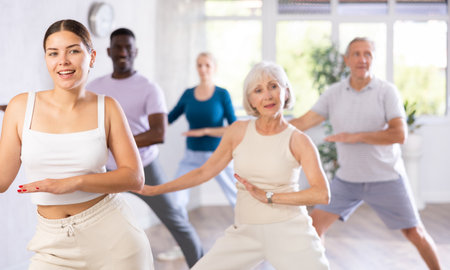
Rituals and ceremonies are central to community-based healing in tribal India. For example, some tribes conduct group prayer sessions, drumming circles, or dance rituals specifically aimed at invoking blessings for the ailing person. The positive energy generated by such communal gatherings is believed to aid in faster recovery and restore the balance between mind, body, and spirit.
Integration with Traditional Healers
Tribal healers—often referred to as Vaidyas, Ojhas, or Baigas depending on the region—work closely with families during rehabilitation. Their therapies may include herbal treatments, massage techniques, or guided exercises performed with the patient’s relatives present. By encouraging active participation from the patient’s kin and neighbors during healing sessions, these methods reinforce the idea that recovery is everyone’s responsibility.
This unique blend of social support and traditional wisdom has enabled Indian tribal communities to sustain effective rehabilitation practices over generations. It reflects not just a way of managing health but also a profound sense of unity and resilience ingrained in their cultural fabric.
4. Traditional Healing Practices and Rituals
Among Indian tribal communities, traditional healing is a profound journey combining sacred ceremonies, ancestral wisdom, and culturally rooted techniques passed down through generations. These practices are more than remedies—they are a way of life, deeply connected to the community’s spiritual beliefs and holistic view of health. Tribal healers, often known as vaidyas or shamans, lead these rituals, using their knowledge to restore balance between body, mind, and spirit.
Sacred Ceremonies and Community Healing
Ceremonies play a central role in tribal healing traditions. These rituals involve chanting, drumming, and symbolic offerings to invoke blessings from ancestors and deities. Healing ceremonies are usually communal events where family members and villagers gather to support the afflicted individual. The collective energy is believed to enhance the effectiveness of the healing process.
Ancestral Wisdom: Oral Traditions and Knowledge Transmission
The foundation of these healing practices lies in oral tradition. Elders pass down medicinal knowledge, spiritual chants, and ritual techniques to younger generations through storytelling and apprenticeships. This ancestral wisdom ensures that each tribe’s unique identity and medical heritage remain intact.
Culturally Rooted Techniques
| Technique | Description | Cultural Significance |
|---|---|---|
| Massage (Abhyanga) | Application of herbal oils with rhythmic strokes to relieve pain, stimulate circulation, and promote relaxation. | Seen as a sacred act of caring; often performed by family elders or traditional healers. |
| Herbal Poultices (Lepan) | Use of locally sourced herbs made into pastes or poultices applied directly on wounds or inflamed areas. | Reflects deep ecological knowledge; ingredients chosen according to season and ailment. |
| Prayers & Mantras | Recitation of specific chants or prayers for protection, speedy recovery, or warding off evil spirits. | Strengthens spiritual connection; considered essential for holistic recovery. |
Intertwining Nature with Healing
The tribal approach integrates natural elements—earth, water, fire, air—into their therapies. Water from sacred rivers may be used in purification rites; medicinal plants are harvested with gratitude towards Mother Earth. This respect for nature is not only spiritual but also ecological, ensuring sustainability of resources for future generations.
The Role of Community Support
Healing is never an isolated act in tribal societies. The involvement of family and community fosters a sense of belonging and emotional resilience. Through shared rituals and collective participation in healing practices, individuals find strength not only in medicine but also in the unity of their people.
5. Tribal Healers and Guidance of Elders
In Indian tribal communities, the roles of traditional healers like Vaidyas, Ojhas, and respected elders are deeply valued and form the backbone of indigenous health practices. These individuals hold a unique position of authority and expertise, often passed down through generations, making them the primary source for both healing and rehabilitation within their communities.
The Role of Vaidyas and Ojhas
Vaidyas are traditionally trained in ancient systems such as Ayurveda, utilising locally available herbs, roots, and natural remedies to address various ailments. Similarly, Ojhas are spiritual healers who employ rituals, chants, and holistic approaches to restore balance in mind and body. Both are revered for their deep knowledge of nature’s medicine and their ability to diagnose conditions beyond the reach of modern diagnostics.
Elders as Custodians of Traditional Wisdom
Senior members of tribal groups play an equally significant role. They act as custodians of oral traditions, guiding the younger generation not just in rituals but also in everyday wellness practices. Their guidance is considered sacrosanct, rooted in lived experience and a profound understanding of community dynamics.
Healing as a Community Event
Among Indian tribes, healing is rarely an individual journey. The process involves family participation, community support, and collective rituals led by healers and elders. This shared approach ensures emotional support during recovery and strengthens social bonds essential for holistic rehabilitation.
Authority Built on Trust and Tradition
The authority of Vaidyas, Ojhas, and elders is grounded in mutual trust and respect. Their decisions are seldom questioned as their expertise is seen as divinely inspired or inherited through sacred lineage. In many regions, even when modern healthcare facilities are accessible, tribal members first consult these traditional figures before seeking external help.
Continuing Relevance in Modern India
Despite rapid modernization, the influence of tribal healers and elders endures across rural India. Their guidance bridges gaps between ancient wisdom and contemporary medical interventions, ensuring that traditional healing remains an integral part of community identity and rehabilitation strategies.
6. Contemporary Challenges and Integration with Modern Healthcare
In today’s rapidly changing Indian society, the preservation and integration of traditional tribal healing practices face significant challenges. Urbanisation, migration, and the widespread adoption of allopathic medicine have led to a decline in the number of traditional healers, or vaidyas, within tribal communities. At the same time, there is an increasing recognition of the value of indigenous knowledge systems for holistic health and rehabilitation.
Preservation of Traditional Systems
Many tribal groups are making concerted efforts to document and pass on their medicinal knowledge through oral tradition, community gatherings, and local apprenticeships. Elders and respected practitioners play a crucial role in ensuring these practices remain alive, often adapting rituals to fit modern contexts without losing their core essence. However, the younger generation sometimes views these methods as outdated compared to Western medicine.
Adaptation and Blending with Allopathic Medicine
The blending of traditional remedies—such as herbal treatments, physical therapies like marma chikitsa, and spiritual rituals—with modern healthcare has become increasingly common. In many rural areas, patients consult both the local healer and the government doctor for treatment. Some progressive hospitals now employ ayurvedic doctors alongside allopaths to provide integrated care that resonates with patients’ cultural beliefs while ensuring medical efficacy.
Role of Government and NGOs
The Government of India has introduced several initiatives under AYUSH (Ayurveda, Yoga & Naturopathy, Unani, Siddha and Homoeopathy) to formalise traditional health systems and promote their scientific validation. NGOs work at the grassroots level, training tribal youth as community health workers who can bridge the gap between ancient wisdom and contemporary medicine. These interventions help in reducing stigma attached to traditional practices while fostering respect for both systems.
Despite these positive steps, challenges persist—ranging from lack of standardisation to insufficient funding for research on indigenous medicines. The need of the hour is a sensitive approach that respects local traditions while providing access to quality healthcare for all. Only then can India’s rich heritage in healing be preserved for future generations.