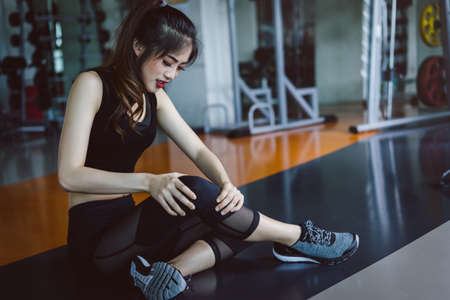

1. Understanding Periods: Busting Common Myths in Indian Society
In Indian society, menstruation remains a subject surrounded by myths and cultural taboos that have been passed down through generations. Many people still view periods as something impure or shameful, leading to a lack of open conversations about women’s health and wellbeing. These misconceptions often directly impact how Indian women participate in physical activities, both at home and in public spaces. For example, some families believe that girls should avoid exercise or sports during their periods, fearing it may worsen cramps or cause health problems. Such beliefs are not only scientifically unfounded but also prevent women from experiencing the many benefits of regular movement. By understanding the origins of these taboos and challenging them with accurate information, we can empower women to embrace an active lifestyle throughout all phases of their menstrual cycle.
2. Traditional Beliefs vs. Scientific Facts about Exercising During Periods
In Indian society, periods have long been surrounded by traditional beliefs that often restrict women from engaging in physical activities. Many families advise girls to avoid exercise during menstruation, fearing it may worsen cramps, cause health issues, or even affect fertility. These age-old ideas are passed down generations and are deeply rooted in cultural norms and taboos.
Contrasting Beliefs and Medical Science
| Traditional Indian Belief | Scientific Fact |
|---|---|
| Exercise should be avoided during periods as it increases pain and weakness. | Light to moderate exercise can actually reduce menstrual cramps and boost energy through endorphin release. |
| Physical activity disrupts the menstrual flow and is harmful for reproductive health. | There is no evidence that exercise negatively affects menstrual flow or reproductive organs; regular movement supports overall well-being. |
| Women are “impure” during periods and should rest completely. | Menstruation is a natural biological process; rest is important if needed, but gentle exercise is safe and beneficial for most women. |
Understanding What Happens in the Body
During menstruation, the body sheds the uterine lining, causing symptoms like cramps, bloating, and fatigue. Medical research shows that physical activity increases blood circulation, reduces stress hormones, and stimulates endorphin production—natural painkillers that help manage these symptoms. Activities like yoga, walking, or light cardio can ease discomfort and improve mood without any risk of harm when done mindfully.
Cultural Sensitivity and Empowerment
It is important to respect family traditions while also educating ourselves with scientific knowledge. By understanding the facts about menstruation and movement, Indian women can make informed choices about their health. Dispelling myths empowers girls to participate fully in sports and daily life—even during their period.
3. Is Exercise Safe During Periods? Breaking the Stigma
For many Indian women, the idea of exercising during periods is still surrounded by doubts and stigma. From a young age, girls hear phrases like “Don’t run during your period,” “Rest, or you’ll fall sick,” and “Exercise will make your cramps worse.” These warnings are often repeated by elders in families or even in schools, reinforcing the belief that physical activity is harmful during menstruation. But what do medical facts say?
Scientific Evidence: Exercise is Safe and Beneficial
Multiple scientific studies confirm that moderate physical activity during periods is not only safe but also beneficial. Exercise can help reduce menstrual cramps (dysmenorrhea), improve mood through the release of endorphins, and combat fatigue and bloating. Activities such as walking, yoga, cycling, and light aerobics are particularly helpful in alleviating common period discomforts. Contrary to popular fears, there is no evidence that exercise causes excessive bleeding, worsens pain, or leads to long-term health issues.
Breaking Common Myths in Indian Society
In many Indian households, the language around periods is filled with fear and restrictions. Words like “weakness,” “impurity,” and “fragility” are often used to discourage girls from being active. However, these ideas have no scientific basis. Exercising during menstruation does not make women weak; instead, it empowers them physically and mentally. It’s important for parents, teachers, and community leaders to replace discouraging messages with supportive guidance based on facts.
Encouraging a Positive Approach
By understanding that exercise is safe during periods, Indian women can break free from outdated taboos. Instead of limiting themselves due to myths, girls and women should be encouraged to listen to their bodies and choose activities that feel comfortable. Open conversations about menstrual health and physical fitness in families and schools will help end the stigma and promote overall well-being for women across India.
4. Benefits of Staying Active: Real Stories from Indian Women
Despite the myths and taboos surrounding menstruation and exercise in India, many Indian women are breaking barriers and proving that staying active during their periods brings remarkable benefits. From professional athletes to everyday girls in schools and communities, these stories shine a light on how physical activity can empower women both physically and mentally.
Indian Women Athletes Who Inspire
Some of India’s top athletes have spoken openly about exercising during their periods, challenging societal beliefs. For example, P.V. Sindhu, badminton champion, has discussed how regular training—even during her period—helps her maintain peak performance. Similarly, Mithali Raj, former captain of the Indian women’s cricket team, encourages young girls to listen to their bodies but not let period myths stop them from pursuing sports.
Everyday Girls Breaking the Silence
It’s not just elite athletes; girls and women across India are embracing movement during their periods, improving their confidence and health. In cities like Mumbai and Bangalore, schoolgirls share stories of feeling less discomfort and more energy when they continue playing sports or doing yoga during menstruation. Community initiatives led by organisations like Mukti Mission in rural Maharashtra encourage young women to participate in group exercises even on period days, helping reduce stigma and improve menstrual health awareness.
Benefits Experienced by Indian Women
| Benefit | Real-Life Example |
|---|---|
| Reduced Cramps & Pain | A college student in Delhi reported that walking daily helped ease her menstrual cramps significantly. |
| Better Mood & Energy | A working mother from Chennai found that light Zumba sessions boosted her mood and productivity at work during her period. |
| Improved Confidence | A teenage girl in Kolkata gained self-esteem after joining a football club that encouraged playing regardless of the menstrual cycle. |
These real stories demonstrate that staying active is not only safe but also beneficial during menstruation. By highlighting such experiences, Indian society can move towards breaking outdated myths and supporting every woman’s right to stay healthy and active—period or no period.
5. Practical Tips: Culturally Sensitive Ways to Exercise During Your Period
Exercising during periods is still surrounded by hesitation in many Indian households, but with the right approach, it can be both comfortable and empowering. Here are some practical tips that respect Indian culture while encouraging healthy movement:
Embrace Traditional Remedies for Comfort
Many Indian women rely on age-old remedies like sipping warm ginger or ajwain tea and using a hot water bag to ease cramps. These practices can be safely combined with light stretching or yoga, helping you feel at ease before or after your exercise routine.
Choose Appropriate Clothing
Opt for loose, breathable cotton salwar kameez or leggings paired with long kurtis. These outfits not only offer comfort and flexibility but also align with modesty preferences common in Indian society. Darker colours can help you feel more confident if you are worried about staining.
Pick Gentle Movements First
If traditional beliefs make you cautious, start with gentle activities such as walking in your garden, doing pranayama, or practising yoga asanas like Balasana (Childs Pose) and Supta Baddha Konasana (Reclining Butterfly Pose). Such movements respect your body’s needs and cultural boundaries.
Mindset Shifts: Reframe Your Approach
Understand that exercising during periods is not harmful; in fact, it can reduce discomfort and uplift mood. Discussing myths openly within your family can encourage acceptance and break taboos for younger girls in the household.
Create a Supportive Environment
If possible, exercise with a close friend or female relative who understands your needs. This support can boost motivation and make the experience more enjoyable.
Balance Modern Knowledge with Tradition
While respecting family customs, stay informed through trusted sources about menstrual health. Combining scientific knowledge with traditional wisdom empowers you to make safe choices suited to your lifestyle.
6. Supporting Each Other: Changing the Conversation Around Periods and Fitness
Open and honest conversations about periods and exercise are essential for breaking taboos that persist in Indian society. By encouraging dialogue at home, in schools, and at the workplace, we can create safe spaces where women and girls feel empowered to share their experiences without fear of judgement or shame.
Fostering Sisterhood Through Shared Experiences
One of the most powerful ways to challenge myths is by supporting one another. When women talk openly about their menstrual health and fitness routines, they inspire others to do the same. Sharing tips, struggles, and success stories helps build a sense of sisterhood, reminding everyone that they are not alone in navigating periods and physical activity.
Promoting Positive Attitudes Among Families
Families play a crucial role in shaping beliefs around menstruation. Parents should be encouraged to discuss periods openly with their children—sons as well as daughters—so that misconceptions don’t get passed down. When boys grow up understanding the reality of menstruation, they become supportive brothers, friends, and colleagues who help dismantle stigma rather than reinforce it.
Education in Schools and Workplaces
Schools and workplaces are perfect settings for awareness programs and workshops about menstrual health and exercise. Initiatives like providing period-friendly facilities, allowing flexible movement breaks during menstruation, and integrating menstrual education into curriculums will empower girls to participate fully in sports and fitness activities without hesitation.
Celebrating Movement—Every Day of the Month
Let’s shift the narrative from restriction to celebration! Encouraging women to listen to their bodies, respect their own comfort levels, and stay active during their periods fosters a positive relationship with both menstruation and movement. Whether it’s yoga, walking, dance, or sport, being active on your period is not only safe—it’s something to be proud of.
By standing together as a community, promoting open discussions, and uplifting each other, we can change how India views periods and fitness. Let’s break the silence so every woman feels confident to move—every day of the month!