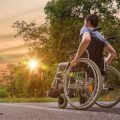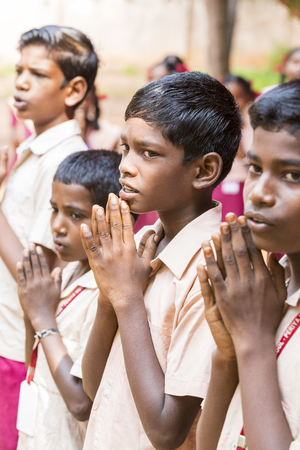

Introduction: Joint Replacement in Rural India
In recent years, the demand for joint replacement surgeries has been steadily increasing among the elderly population in rural India. With the country’s aging demographic and the prevalence of conditions such as osteoarthritis and rheumatoid arthritis, more seniors are seeking medical solutions to regain mobility and improve quality of life. However, in many rural communities, perceptions about joint health remain deeply rooted in traditional beliefs. Elderly villagers often attribute joint pain to natural aging or karma rather than treatable medical issues. Community awareness about modern surgical options like knee or hip replacements is still limited, with many relying on home remedies or local healers. Despite these challenges, families are beginning to notice the benefits that joint replacement surgery can offer, especially when elders are able to participate more actively in daily village life post-rehabilitation. As awareness grows and access to healthcare improves, understanding both the barriers and potential solutions for successful joint replacement rehab becomes increasingly important in rural India.
2. Challenges Faced in Post-Surgical Rehabilitation
Rural India faces unique challenges in joint replacement rehabilitation, impacting recovery outcomes for elderly patients. Several barriers must be addressed to ensure effective post-surgical care:
Limited Physical Therapy Resources
Access to qualified physiotherapists and rehabilitation centres is a major concern in villages and small towns. Most rural health facilities lack specialized staff or equipment required for post-joint replacement therapy, often forcing patients to travel long distances or rely on untrained local practitioners.
Transportation Issues
Transport infrastructure in rural India is often inadequate, making it difficult for patients to attend regular rehabilitation sessions. Poor road conditions, infrequent public transport, and the high cost of private vehicles further complicate travel, especially for those with limited mobility after surgery.
Language and Literacy Obstacles
Many villagers are more comfortable with their regional language and may have limited literacy skills. This can hinder communication with healthcare providers who use English or Hindi for instructions. Understanding written exercise regimens or medication schedules becomes a challenge, affecting compliance and outcomes.
Common Barriers in Rural Rehabilitation
| Barrier | Description | Impact on Rehab |
|---|---|---|
| Limited Physical Therapy | Lack of trained staff and equipment in rural areas | Poor recovery, risk of complications |
| Transportation Issues | Difficult roads, costly travel, few public options | Missed appointments, delayed progress |
| Language & Literacy | Instructions not understood due to language/literacy gap | Error in following rehab plans, medication misuse |
| Financial Constraints | Low income, out-of-pocket expenses for therapy & travel | Treatment discontinuation, increased financial stress |
Financial Constraints Specific to Rural Settings
The cost of post-operative care—including physiotherapy sessions, medicines, assistive devices, and travel—can be overwhelming for families with modest incomes. Government schemes exist but may not cover all needs or might be challenging to access due to bureaucratic processes.

3. Role of Family and Community Support
In rural India, family and community support forms the backbone of successful joint replacement rehabilitation. The journey towards recovery is not just a medical process but also a social one, deeply influenced by local customs, traditions, and interpersonal relationships. Family caregivers play a pivotal role in day-to-day care, assisting with mobility, personal hygiene, medication management, and emotional encouragement. Their involvement becomes even more critical where professional rehabilitation services are scarce or difficult to access.
Community health workers, such as Accredited Social Health Activists (ASHAs) and Auxiliary Nurse Midwives (ANMs), bridge the gap between hospitals and home. They offer essential follow-up care, education on post-operative exercises, wound care, and help patients navigate government schemes for medical aid. Their understanding of local dialects and cultural nuances ensures that health information is both accessible and acceptable to the patient and their family.
Traditional beliefs and practices also have a strong impact on rehabilitation adherence. In many villages, elders or faith healers may advise against certain exercises or promote rest over activity, which can hinder recovery. However, integrating culturally respectful health education—such as explaining the benefits of movement in familiar terms or involving respected community members in awareness sessions—can encourage better compliance with rehabilitation protocols.
In summary, a collaborative approach that values family involvement, leverages community health resources, and respects local traditions is key to improving joint replacement outcomes in rural India. By recognizing these unique influences and working alongside them, healthcare providers can foster an environment where patients feel supported every step of the way.
Cultural Beliefs and Rehabilitation Compliance
In rural India, traditional beliefs and cultural perceptions deeply influence the approach to post-operative care after joint replacement surgeries. Many elders and families hold firm ideas about mobility, pain management, and the value of rest during recovery. These beliefs can both support and hinder effective rehabilitation.
Traditional Beliefs Around Mobility and Rest
Historically, Indian households often view rest as the most important aspect of healing. The notion of aramsay (resting well) is widely encouraged by family members, particularly for elders. There is a common perception that moving too soon after surgery might “disturb” the healing process or even cause harm. This belief can lead to reluctance in following early mobilization protocols recommended by physiotherapists.
Pain Perception and Its Impact
Pain is often seen as a natural consequence of surgery that should be endured quietly. Some patients may believe that expressing or addressing pain is unnecessary or even shameful, fearing they may be perceived as weak. This mindset can result in underreporting of pain symptoms, avoidance of prescribed exercises, and delayed progress in rehabilitation.
Hesitations Towards Physiotherapy and Modern Practices
Many rural families are unfamiliar with physiotherapy as an essential part of recovery. Modern rehabilitation practices may be viewed with suspicion or skepticism, sometimes seen as unnecessary or overly aggressive compared to traditional methods such as oil massages, herbal remedies, or spiritual rituals.
| Belief/Practice | Potential Challenge | Recommended Solution |
|---|---|---|
| Rest over Movement | Delayed mobility and stiffness | Educate on importance of gentle movement for healing |
| Pain Endurance | Poor pain management, reduced compliance | Encourage open discussion; explain safe pain relief options |
| Skepticism towards Physiotherapy | Lack of participation in rehab sessions | Demonstrate benefits through community role models; use culturally familiar language |
| Preference for Traditional Remedies | Delay in adopting evidence-based practices | Integrate certain traditional approaches where safe; combine with modern rehab plans |
Building Trust Through Community Engagement
To overcome these barriers, it is vital for healthcare providers to engage with local leaders, use relatable examples, and respect cultural sentiments while educating patients and caregivers. Involving family members in physiotherapy sessions, sharing success stories from within the village, and using regional languages can significantly improve compliance and outcomes.
5. Innovative Local Solutions and Success Stories
In the heart of rural India, where infrastructure and resources are limited, communities have shown remarkable resilience by embracing creative solutions for joint replacement rehabilitation. One such adaptation is the establishment of mobile rehab camps, where teams of physiotherapists and medical professionals travel to remote villages on scheduled days. These mobile units bring essential post-surgical care, exercise guidance, and motivational support directly to patients’ doorsteps, eliminating the need for arduous travel to distant hospitals.
Another notable initiative is the formation of village-level support groups. These groups, often led by community health workers or Anganwadi workers, provide emotional encouragement, share rehabilitation tips in local dialects, and help monitor each patient’s progress. By leveraging the trust and familiarity within these small communities, patients feel more comfortable engaging in their recovery process.
Harnessing Local Resources for Better Outcomes
Rehabilitation programs have also creatively incorporated locally available materials. For example, farmers have repurposed bamboo sticks as walking aids, while traditional mats serve as safe surfaces for prescribed exercises. Such adaptations make therapy accessible and affordable for all, regardless of economic status.
Case Study: The Tamil Nadu Mobile Rehab Model
A shining example comes from Tamil Nadu, where a government-backed project deploys mobile rehab vans equipped with basic physiotherapy equipment and staffed by trained professionals. This program has seen significant success in improving patient outcomes and reducing complications associated with delayed or inadequate rehabilitation.
Community Empowerment Through Knowledge Sharing
Workshops conducted in local languages demystify joint care and empower patients to take charge of their health. When elders who have successfully completed their rehab journey share their stories, it inspires others and fosters a culture of mutual support. These grassroots efforts demonstrate that with innovation and community spirit, the challenges of joint replacement rehabilitation in rural India can be overcome.
6. Recommendations for Sustainable Progress
To create lasting improvements in joint replacement rehabilitation across rural India, a multi-pronged and culturally sensitive approach is essential. Below are practical recommendations tailored for healthcare providers, NGOs, and policymakers to foster sustainable growth in this vital area.
Healthcare Providers: Strengthening Local Capacities
- Train Community Health Workers: Develop focused training modules in local languages to empower ASHA workers, physiotherapists, and nurses with basic rehab skills relevant to joint replacement recovery.
- Telemedicine Integration: Set up tele-rehabilitation consultations using widely used mobile platforms like WhatsApp or video calls to bridge the urban-rural divide, ensuring post-operative support reaches remote patients.
- Culturally Sensitive Patient Education: Design simple educational leaflets or videos explaining the importance of rehabilitation, using familiar analogies and examples from daily rural life.
NGOs: Building Awareness and Engagement
- Community Workshops: Organise regular health camps or workshops in villages, demonstrating simple rehabilitation exercises and inviting successful local patients to share their stories.
- Support Groups: Facilitate self-help groups or peer networks where patients can motivate each other and exchange tips on overcoming challenges during recovery.
- Advocacy for Accessibility: Collaborate with local panchayats and religious leaders to improve awareness, reduce stigma, and advocate for disability-friendly infrastructure in public spaces.
Policymakers: Creating Enabling Policies
- Subsidise Rehabilitation Services: Integrate post-surgery rehab into government schemes like Ayushman Bharat so that financial constraints do not hinder access to ongoing care.
- Infrastructure Investment: Allocate budget for building or upgrading rural rehabilitation centres equipped with essential equipment and staffed by trained personnel.
- Monitor & Evaluate Outcomes: Implement simple tracking systems at the block level to measure progress, address gaps, and ensure accountability in service delivery.
A Path Forward Rooted in Community Spirit
Sustainable progress lies in nurturing partnerships among healthcare providers, NGOs, policymakers, and the rural community itself. By respecting cultural values, leveraging local resources, and fostering open dialogue, we can make joint replacement rehabilitation accessible and effective for every elder and family in rural India—enabling them to reclaim mobility, dignity, and a better quality of life at their own gentle pace.