
1. Understanding the Root Causes
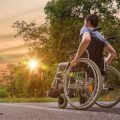
Difficulty in walking is a concern faced by many Indians, cutting across age groups and backgrounds. In our diverse country, some of the most common root causes include arthritis, diabetes, and age-related muscle weakness. For instance, joint pain from arthritis is especially prevalent among older adults, often aggravated by weather changes during monsoon or winter. Diabetes, a rapidly increasing health challenge in India, can lead to neuropathy—tingling or numbness in the feet—making it tough to walk comfortably. Additionally, with rising life expectancy, age-related issues such as reduced bone density and decreased muscle strength are also significant contributors.
From an Indian perspective, lifestyle factors play a big role too. Many elders attribute stiffness or pain to “vata” imbalance as per Ayurveda, while urban living has led to more sedentary habits, reducing lower limb strength over time. Traditional diets, sometimes lacking in adequate calcium and vitamin D, further add to these problems. Understanding these local nuances helps in addressing walking difficulties holistically, blending medical insights with cultural wisdom for effective management.
2. Ayurvedic Home Remedies
Ayurveda, the ancient Indian system of medicine, offers time-tested solutions to improve mobility and manage difficulty in walking. Many Indian households rely on a combination of herbal remedies and daily routines to support joint health and ease discomfort. Below are some popular ayurvedic ingredients and tips widely used across India:
Powerful Ayurvedic Herbs for Mobility
| Herb/Spice | Benefits | Common Usage in India |
|---|---|---|
| Turmeric (Haldi) | Reduces inflammation and joint pain due to its active compound, curcumin. | Mixed with warm milk (Haldi Doodh) or used in curries. |
| Ashwagandha | Strengthens muscles, supports nerve function, and boosts overall vitality. | Taken as powder with warm water or milk, often before bedtime. |
| Ginger (Adrak) | Eases stiffness and improves blood circulation. | Added to chai, soups, or consumed as ginger tea. |
Ayurvedic Tips for Daily Routine
- Abhyanga (Oil Massage): Massaging the legs with warm sesame oil or Mahanarayan oil can relieve stiffness and enhance flexibility. Traditionally, this is done in the morning before bath.
- Svedana (Steam Therapy): Applying steam to affected areas helps relax muscles and reduce joint pain. Local steam baths are common in many Indian homes.
- Panchakarma: For chronic cases, consulting an ayurvedic doctor for detoxification therapies like Panchakarma may be beneficial.
- Mild Yoga & Stretching: Practising gentle yoga poses such as Tadasana (Mountain Pose) or Vrikshasana (Tree Pose) helps strengthen leg muscles and improve balance—always under guidance if mobility is severely restricted.
Cultural Tip:
Many Indian elders also use homemade herbal pastes made from turmeric and ginger to apply topically on knees and ankles for added relief. These remedies are passed down through generations, reflecting the deep-rooted trust in Ayurveda among Indian families.

3. Simple Indian Exercises & Yoga
For those experiencing difficulty in walking, incorporating easy Indian exercises and yoga asanas into your daily routine can significantly enhance leg strength and balance. These activities are well-rooted in our tradition and require minimal equipment, making them accessible to most people at home. Here are some practical movements and yogic postures recommended by many Indian elders and physiotherapists:
Tadasana (Mountain Pose)
This foundational yoga asana helps improve posture, enhances balance, and strengthens the legs. Stand with feet together, stretch your arms overhead, and rise up on your toes while taking a deep breath. Hold for a few seconds before relaxing. Practise this every morning for best results.
Vrikshasana (Tree Pose)
Vrikshasana is excellent for improving focus and balance. Stand straight, lift one foot and place it against the opposite thigh, join palms in front of your chest, and maintain the position while breathing deeply. Switch sides after a few seconds. This pose is especially popular among Indian grandmothers for keeping the legs strong and steady.
Leg Raises & Ankle Rotations
Sit comfortably on a chair or bed. Slowly raise one leg at a time, hold for five seconds, then lower it down. Repeat ten times for each leg. Follow this by gently rotating your ankles clockwise and anti-clockwise to promote flexibility and reduce stiffness—a common tip given by Indian physiotherapists.
Pawanmuktasana Series
This series of simple movements focuses on joint mobility, especially in the knees and ankles. Lie down on your back, bend one knee towards your chest, hold it with both hands, then release slowly. Alternate legs. This is widely practised across India to relieve leg discomfort caused by inactivity or aging.
Remember, always perform these exercises at your own pace and consult a local doctor or physiotherapist if you have chronic pain or severe mobility issues. Regular practice of these Indian home exercises not only supports walking but also adds to overall well-being.
4. Warm Oil Massage Techniques
Warm oil massage, known as “Abhyanga” in Ayurveda, is a time-honoured Indian remedy for joint pain and mobility issues. Indian families often rely on this simple yet effective method to promote relief from difficulty in walking, especially among elders. The most commonly used oils are sesame oil (til ka tel) and mustard oil (sarson ka tel), both believed to possess natural anti-inflammatory properties.
Benefits of Warm Oil Massage
- Pain Relief: Regular massage helps soothe stiff joints and muscles, providing immediate comfort.
- Improved Blood Circulation: Massaging with warm oil enhances blood flow to the affected area, aiding in faster healing and reducing swelling.
- Relaxation: The warmth and gentle pressure relax the body and mind, alleviating stress-related tension that can worsen joint discomfort.
- Nourishment: Oils like sesame and mustard deeply nourish the skin and underlying tissues, keeping joints supple.
How to Perform a Traditional Warm Oil Massage
- Warm the oil slightly by placing it in a small bowl and setting it in hot water for a few minutes. Ensure the temperature is comfortable to touch.
- Sit or lay comfortably. Apply a generous amount of warm oil to the affected joints or legs using your palms.
- Use gentle circular motions on the joints and long strokes along the muscles. For knees, focus on clockwise rotations; for ankles, use upward strokes.
- Massage for 10-15 minutes until the oil is absorbed. You may wrap the area with a soft cloth afterwards to retain warmth.
- For best results, follow this routine daily or at least 3-4 times a week.
Comparison of Popular Oils Used in Indian Households
| Oil Type | Main Benefits | Cultural Notes |
|---|---|---|
| Sesame Oil (Til Ka Tel) | Deep penetration, anti-inflammatory, suitable for Vata imbalance (dryness/stiffness) | Widely used in South Indian traditions for daily massage rituals |
| Mustard Oil (Sarson Ka Tel) | Warming effect, improves circulation, relieves muscle tension | A staple in North Indian households, especially during winter months |
| Coconut Oil (Nariyal Ka Tel) | Cools the skin, moisturizes, mild anti-inflammatory effect | Mainly used in coastal regions like Kerala; less warming than sesame/mustard oil |
Local Tip: Add Turmeric or Ajwain Seeds
Add a pinch of turmeric powder or crushed ajwain seeds to the oil before heating. This enhances anti-inflammatory benefits and gives extra relief from pain—a trusted tip passed down through generations in many Indian families.
5. Diet Recommendations for Joint Health
Embracing Indian Dietary Habits for Stronger Joints
A balanced diet is vital for maintaining healthy bones and joints, especially when facing difficulties in walking. Indian cuisine offers a treasure trove of locally available foods that support joint health naturally.
Millets: The Ancient Indian Superfood
Traditional millets like ragi (finger millet), bajra (pearl millet), and jowar (sorghum) are rich in calcium, magnesium, and dietary fiber. These grains not only strengthen bones but also help manage weight, reducing stress on joints. Start your day with ragi porridge or include bajra rotis in your meals.
Drumsticks (Moringa): Nature’s Joint Healer
Moringa, commonly known as drumsticks, is widely used in Indian kitchens. This superfood contains high levels of antioxidants, calcium, and anti-inflammatory compounds that benefit joint health. Add drumstick pods to sambar or enjoy fresh moringa leaves in sabzis to enhance flexibility and reduce joint pain.
Leafy Greens: Everyday Nutrition Powerhouse
Indian leafy greens such as spinach (palak), fenugreek (methi), amaranth (chaulai), and colocasia leaves (arbi ke patte) are packed with vitamins K, C, and iron. They promote cartilage regeneration and maintain bone density. Incorporate them into curries, parathas, or dals for daily nourishment.
Turmeric & Ginger: Traditional Anti-Inflammatories
No discussion of Indian home remedies is complete without turmeric (haldi) and ginger (adrak). Both spices are known for their potent anti-inflammatory properties. Add fresh ginger to your chai or cook vegetables with turmeric to soothe stiff joints naturally.
Additional Tips:
- Include sesame seeds (til) and almonds as snacks to boost calcium intake.
- Opt for homemade curd or buttermilk to improve gut health and calcium absorption.
- Avoid excessive consumption of processed foods and opt for whole grains instead.
By following these simple yet effective dietary habits rooted in Indian tradition, you can provide lasting support to your bones and joints—making every step forward smoother and easier.
6. Everyday Safety Tips at Home
Ensuring safety at home is crucial for individuals facing difficulty in walking, especially in the context of Indian households where traditional flooring and furniture arrangements can sometimes pose challenges. Here are some practical tips tailored to Indian homes:
Use Non-Slip Floor Mats
Choose non-slip floor mats for areas like bathrooms, kitchens, and entrances. In many Indian homes, water spillage from washing or cooking can make floors slippery. Opt for rubber-backed mats or coir doormats with anti-skid properties to prevent accidental falls.
Select Proper Footwear Indoors
Encourage wearing supportive slippers or sandals inside the house instead of going barefoot or using loose chappals. Footwear with a good grip and cushioned soles provides better stability on marble or tile floors commonly found in Indian homes.
Keep Pathways Clutter-Free
Indian households often have low seating, rangoli designs, and decorative items placed on the floor. Ensure that walkways are clear of obstacles like stools, wires, buckets, or shoes to provide a safe passage for those with limited mobility.
Organise Furniture for Easy Movement
Arrange furniture to allow wide pathways and avoid sharp corners in high-traffic areas. Consider shifting heavy items closer to walls and securing lightweight stools or chairs that may easily tip over.
Install Handrails Where Needed
If your home has steps or uneven surfaces (like verandahs or entry thresholds), installing sturdy handrails can make movement safer. Portable handles near bathrooms and stairs offer additional support for elders and those with mobility issues.
Enhance Lighting
Poor lighting can increase the risk of tripping. Use bright LED bulbs in hallways, bathrooms, and staircases. Night lamps are also helpful for safe navigation during power cuts or late-night movements.
Regularly Check for Hazards
Make it a habit to inspect your home for loose tiles, curling carpet edges, or wet patches—common issues in Indian homes. Immediate repairs and regular cleaning routines help maintain a safer environment.
By following these everyday safety tips rooted in Indian living conditions, families can ensure a secure and comfortable space for loved ones experiencing difficulty in walking.
7. When to Consult a Medical Expert
While Indian home remedies like turmeric milk, oil massages, and herbal decoctions can provide relief for minor walking difficulties, it is vital to know when professional medical help is needed. Recognizing the signs that require urgent attention ensures your health and safety are not compromised.
Signs That Need Immediate Medical Attention
- Persistent pain or swelling in the legs or feet despite using home remedies.
- Sudden inability to walk or bear weight on your legs.
- Numbness, tingling, or loss of sensation in the lower limbs.
- Visible deformity, open wounds, or ulcers that do not heal.
- Fever, chills, or other signs of infection along with walking difficulty.
The Importance of Timely Check-Ups
In Indian culture, it’s common to first seek advice from elders or traditional healers. However, if symptoms persist for more than a few days, timely consultation with a local doctor or orthopedic specialist is crucial. Early diagnosis by a qualified practitioner—be it an allopathic doctor (MBBS), ayurvedic vaidya, or physiotherapist—can prevent complications and improve outcomes. Regular check-ups also help manage chronic conditions like diabetes or arthritis, which are prevalent in India and can affect mobility.
Combining Tradition and Modern Care
India’s healthcare landscape offers a blend of traditional wisdom and modern medicine. Leveraging both approaches ensures holistic care. Do not hesitate to visit a nearby clinic (dispensary) or government hospital if you notice worrying symptoms. Your well-being comes first; timely action can make all the difference in regaining your independence and mobility.